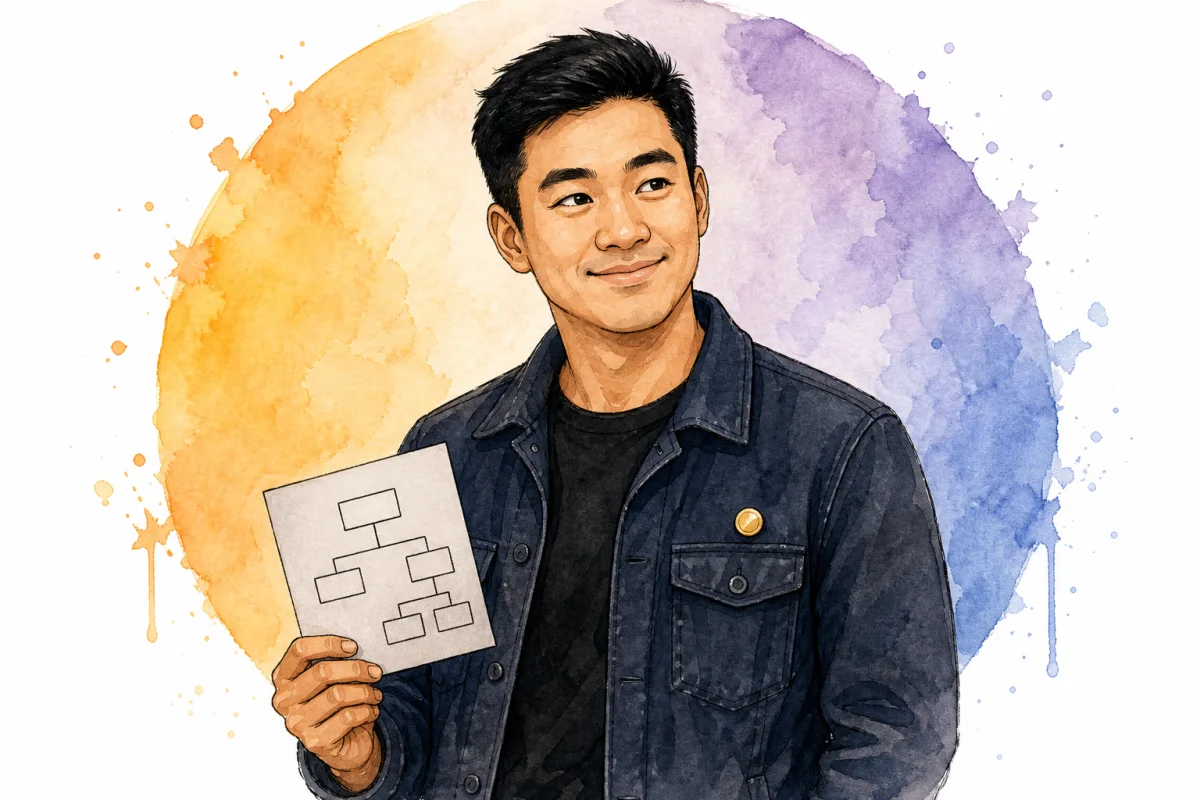

Mel

- Trusted application knowledge
- Data sources and provider connections
- Normalized, validated data contracts
- Persistence, retrieval, and data transformation
- Source errors, freshness, and access policies

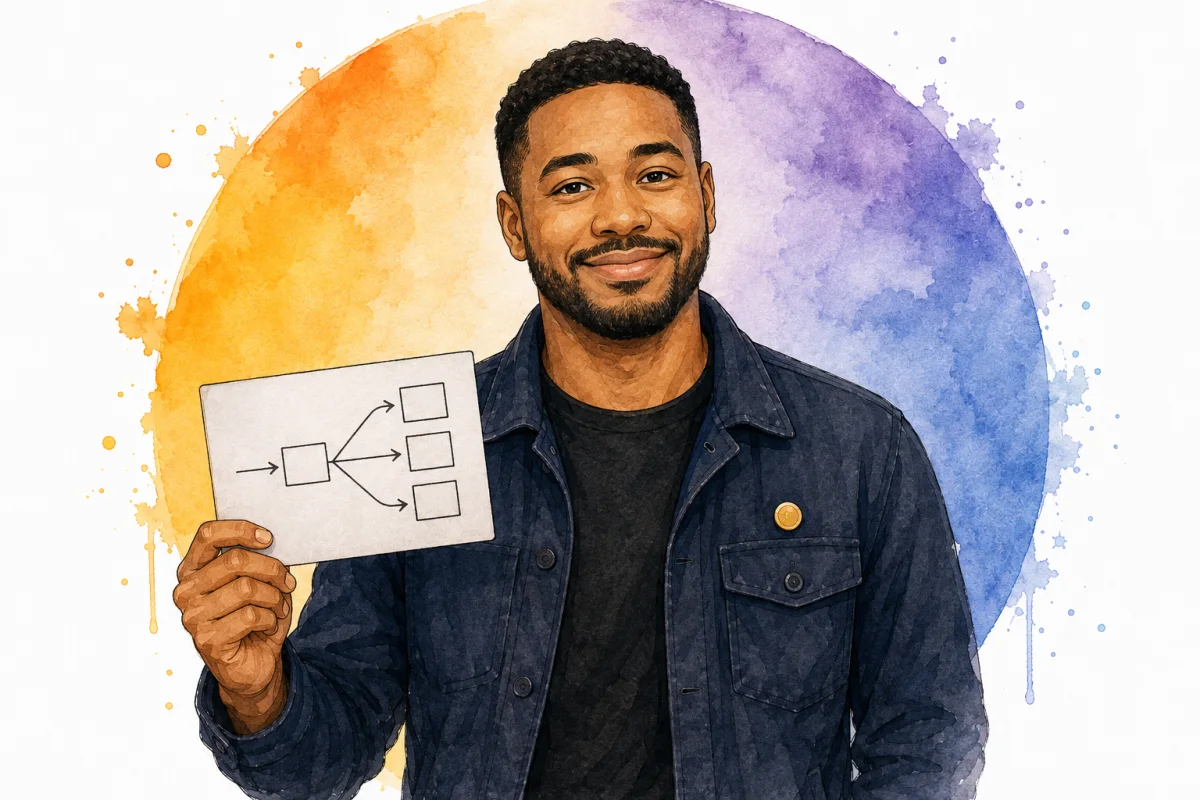
AI agents can build at extraordinary speed—but speed without ownership creates drift. MVC Lab gives every agent a precise responsibility, a bounded working area, and shared contracts that keep the whole application moving in one direction.


“MVC was created as an obvious solution to the general problem of giving users control over their information as seen from multiple perspectives.”Trygve ReenskaugCreator of MVC · 1979
“MVC Lab is bringing back MVC’s essential controls for the agentic era. As AI multiplies perspectives, and the agents shaping them, responsible scale requires clear ownership, enforceable contracts, and architectural guardrails.”Martin AkermanFormer Director of Data Strategy, U.S. Department of the Air ForceCreator of MVC Lab · 2026

Each agent loads the contract and files for its own lane—not the entire application. More of the context window goes toward solving the actual problem.
Models own data, controllers own decisions, and views own presentation. A change that crosses a boundary becomes obvious enough to challenge before it spreads.
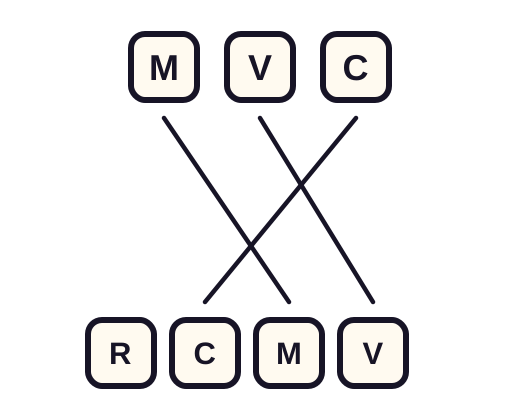
Specialists can work independently against shared contracts. RCMV adds the thin Route boundary so incoming web requests enter the system without muddying MVC ownership.
RCMV preserves the durable Model, View, and Controller boundaries, then makes the web request explicit with a thin Route. The result is an architecture people can understand and AI agents can navigate without guessing.